
When it comes to Reclining Furniture, wall-hugger recliners use a sliding seat mechanism that lets the chair sit just inches from a wall, ideal for apartments and condos with tight layouts. Standard recliners require several feet of clearance behind them to fully extend. Jack's Furniture and More features reclining options, including the Acklen Place Power Reclining Sectional, suited to varying room sizes.
Key Takeaways
-
Wall hugger recliners recline while positioned just inches from walls, maximizing small living spaces.
-
Standard recliners require significant clearance behind them, typically two to three feet for full extension.
-
Wall hugger designs use a unique mechanism that moves the chair forward as it reclines.
-
Both recliner types offer full relaxation comfort, but wall huggers suit apartments and condos better.
What's Really Different About These Two Recliners?
Mechanics separate these two chair styles, not just looks. Wall hugger and standard recliners rely on different reclining mechanisms. That engineering choice changes how much floor space each design needs behind the chair. Standard recliners push backward on a pivot, eating up a foot or more of clearance. Wall hugger models slide the seat forward as the back reclines. The chair stays close to the wall the entire time.
That mechanical distinction matters more than most shoppers expect. Understanding how each recliner moves helps homeowners. Apartment dwellers plan a smarter layout before furniture arrives, rather than after a chair gets wedged too close to a wall to fully recline. Interior decorators working with tight floor plans often lean on this knowledge to avoid wasting valuable square footage in a living room or home theater setup.
Which recliner style saves more space in a small room?
Wall hugger designs generally save more usable floor space because they don't require pull-out clearance behind the chair. Standard recliners work better in rooms with open backs or extra depth, where the swing-back motion has room to breathe.
Can shoppers compare both styles before buying?
Jack's Furniture and More, located in Laredo, TX, gives shoppers a place to sit in both wall-hugger and standard **reclining furniture** side by side. Comparing the mechanisms in person makes the difference easier to feel than to read about.
The store's selection includes recognized names like [Ashley Furniture], chosen for a balance of quality, comfort, and value. That mix lets customers weigh durability and price alongside space savings. The right recliner fits both the room and the budget.
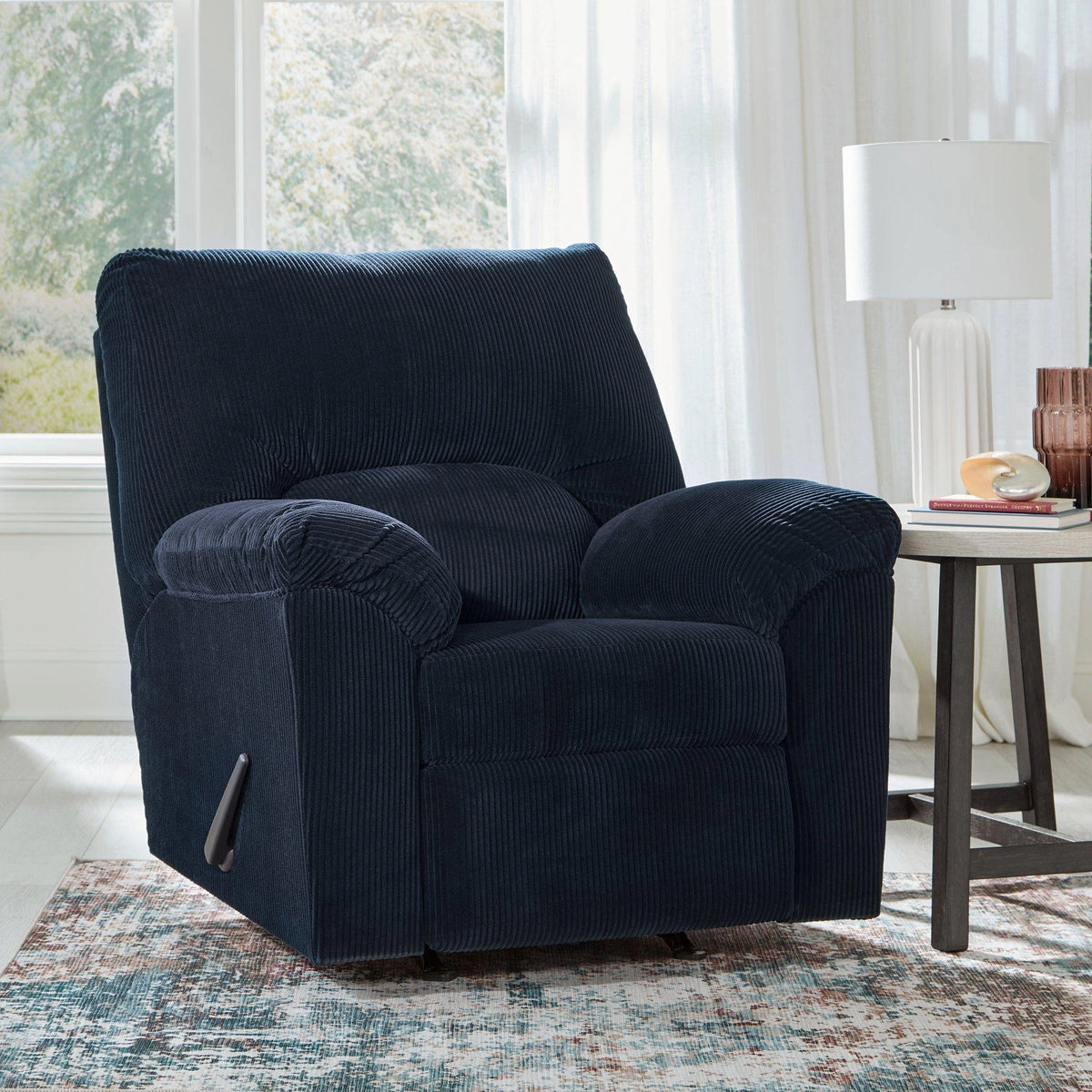
How Does a Standard Recliner's Mechanism Work?
A standard recliner tilts its backrest and lifts its footrest by pivoting the entire frame backward. That motion needs open air behind the chair. Recliners earn their popularity for many reasons: deep comfort, adjustable positions, a place to nap through a Sunday game. But that comfort comes with a catch: the chair only delivers its full benefit when the frame has room to swing back into empty floor space.
For apartment dwellers and homeowners with tight living rooms, that catch matters. A standard chair pushed against a wall simply can't recline, no matter how nice the upholstery looks. Reclining furniture built on this traditional mechanism assumes an open buffer zone, not a wall six inches behind it.
How much clearance does a standard recliner need?
Furniture shoppers should measure the intended spot before buying, not after delivery day. A useful rule of thumb: treat the space behind a recliner like a walkway, leaving roughly 30 inches of clearance so the chair can fully extend without crowding the room.
That measurement matters as much as the room's wall lengths, window placement, and door swing. Skipping this step often leads to a recliner that stays permanently upright. An expensive way to own a chair that half-works.
What should shoppers check before placing a recliner?
-
Wall distance: Confirm at least the recommended clearance behind the chair for full recline.
-
Doorway and vent locations: Make sure the reclined chair won't block outlets, doors, or airflow.
-
Traffic flow: Leave enough room so the extended footrest doesn't interrupt walking paths.
A tape measure, five minutes, and a little planning prevent a frustrating surprise. Interior decorators working with compact living rooms or home theaters often find that a standard mechanism simply demands more square footage than the layout allows, which is worth confirming before committing to a specific piece.

How Does a Wall Hugger Recliner Save Space?
Space savings come from the mechanism, not the shape. A wall hugger recliner glides forward on a track as the footrest extends, rather than tilting the whole chair backward toward the wall. That small engineering shift means the chair can sit inches from drywall and still fully recline. Traditional recliners need a wide buffer zone behind them; wall huggers eliminate that wasted margin almost entirely.
Think of a wall hugger as a more efficient cousin of the classic recliner. Homeowners get the same stretched-out comfort, minus the bulky footprint. For apartment dwellers and anyone furnishing a compact living room or home theater nook, that difference determines whether a couch, console table, or extra seat can fit in the same room.
Is a Wall Hugger Recliner Right for a Small Apartment?
Generally, yes, the forward-gliding design suits tight floor plans where furniture sits close to walls. Apartment dwellers gain flexibility because the chair doesn't need repositioning every time it reclines.
Does the Best Choice Depend on Who Uses the Furniture?
Selecting between a wall hugger and a standard recliner should factor in daily household use. Interior decorators and homeowners furnishing family rooms should consider:
-
Household members: kids climbing on and off recliners need durable, easy-clean upholstery.
-
Pets: households with dogs or cats benefit from stain-resistant fabrics regardless of recliner style.
-
Room layout: match the reclining furniture's scale and finish to existing pieces rather than shopping in isolation.
Matching mechanism to lifestyle matters as much as matching it to square footage. A wall hugger solves the space problem; the right fabric and finish solve the durability problem. Together, they make reclining furniture a practical fit for small-space living rather than a compromise.
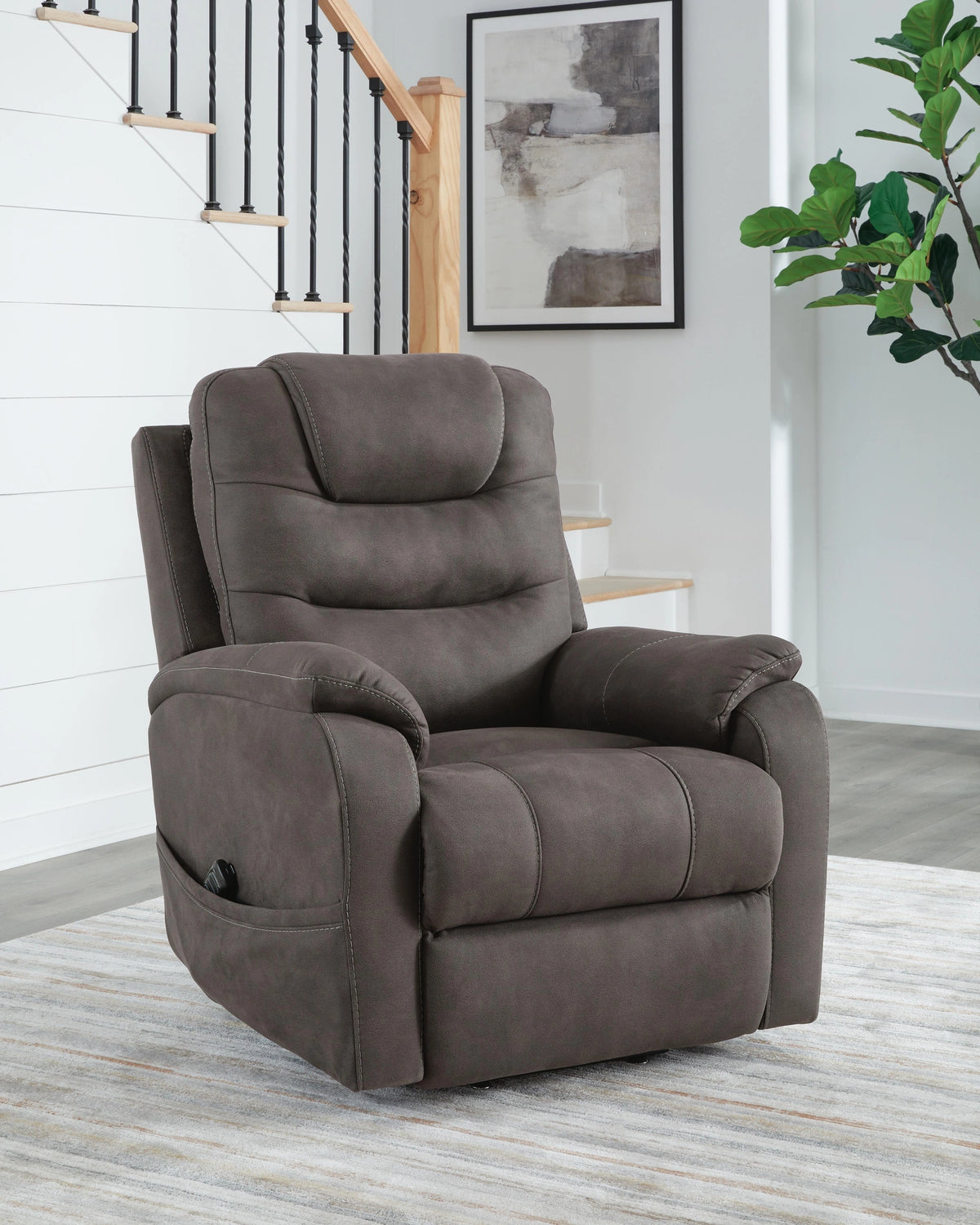
How Much Wall Clearance Does Each Style Need?
Clearance requirements depend entirely on the reclining mechanism, not just the size of the chair or sofa. Traditional **reclining furniture** typically needs a wide stretch of open space behind it to lean back fully. That single requirement rules out many spots along an apartment or condo wall. A wall-hugger style, by contrast, uses a different track system that lets it recline while sitting just inches from the wall. A real advantage for tighter living rooms and home theaters.
Before buying anything, homeowners and renters benefit from measuring the actual room rather than guessing. That means checking wall lengths and noting where windows, doors, outlets, and vents sit, so a larger piece doesn't end up blocking them or crowding a walkway. Leaving roughly 30 inches of open path for everyday movement keeps a room functional, not just furnished.
Do I need to measure anything besides the wall space?
Yes, the room isn't the only obstacle. Doorways, hallways, and stairwells all need checking too. A recliner that fits the living room won't help if it can't get there. Confirming the piece will fit inside before purchase avoids a frustrating delivery day surprise.
Quick clearance checklist:
-
Measure total wall length where the piece will sit.
-
Note locations of outlets, vents, windows, and doors nearby.
-
Leave about 30 inches of clearance for walkway traffic.
-
Check doorways, hallways, and stairwells for delivery access.
-
Confirm whether the recline mechanism needs rear clearance or works flush against a wall.
Apartment dwellers and interior decorators working with limited square footage gain the most from this upfront planning. A few minutes with a tape measure prevents a piece from crowding a room or, worse, not fitting through the front door at all.
Which Recliner Fits Small Apartments and Condos Best?
Wall hugger recliners solve the small-space seating problem better than standard recliners. Their mechanism slides forward as it reclines, instead of swinging backward, so full recline function happens in a fraction of the footprint a traditional chair demands. That single design difference makes reclining furniture practical in rooms where floor space is already tight.
Placement is where wall huggers really shine. The design allows the chair to sit just inches from a wall, which suits apartments, condos, and compact living rooms where every square foot counts. Homeowners no longer need to leave several feet of clearance behind a chair just to enjoy a comfortable lean-back.
Are wall-hugger recliners actually comfortable, or just space-saving?
Comfort does not get sacrificed for a smaller footprint. The recline motion still delivers a full lean-back position. The chair simply moves toward the floor and forward rather than backward into the wall. Guests and family members get the same relaxed seating experience without rearranging the whole room.
Which material holds up best for families with kids or pets?
Material choice matters as much as the mechanism itself. Households with children or pets benefit most from durable, easy-clean upholstery that resists wear and stains over time. Matching that fabric choice to the room's existing color, finish, and scale keeps the piece looking intentional rather than mismatched.
Before choosing a recliner, apartment dwellers and decorators should weigh:
-
Clearance needed: wall huggers need only inches, not feet, behind the chair
-
Household use: durable, easy-clean fabric for kids and pets; softer textiles for adult-only spaces
-
Room fit: color, finish, and scale matched to existing furniture
Jack's Furniture and More helps Laredo shoppers compare these factors in person. The final choice fits both the room and the household living in it.
What Should You Measure Before You Buy?
Three measurements determine whether a new recliner fits a home without a headache: the space where it will sit, the path it travels to get there, and the room it will share with existing furniture. Skipping any one of these steps risks a piece that looks great in the showroom. Jams in a doorway or swallows a hallway. A little tape-measure work upfront saves a return trip and a delivery fee later.
How much clearance does reclining furniture actually need?
Start with the room itself. Measuring wall lengths, along with the placement of windows, doors, outlets, and vents, keeps a full-size recliner from blocking access points or crowding the main walkway. Larger reclining chairs and sofas need open floor space behind and in front of them to extend fully. Accounting for that swing radius matters as much as the width of the piece itself.
Will it actually make it through the door?
Fit doesn't stop at the living room wall. Doorways, hallways, and stairwells along the delivery path deserve the same tape measure treatment as the final spot for the chair. A recliner that clears the front door frame can still stall on a narrow stairwell turn. Checking every point along the route, not just the destination, prevents a frustrating surprise on delivery day.
Beyond dimensions, fit also means fit with the household:
-
Scale and finish: color and proportions should match furniture already in the room.
-
Household use: homes with kids or pets hold up better with durable, easy-clean upholstery.
-
Traffic flow: reclined position should never block a walkway or doorway.
Measuring carefully, inside and out, turns a guessing game into a confident purchase.
How Do Comfort and Recline Angle Compare?
Comfort levels between wall hugger and standard styles come down to engineering, not sacrifice. A wall hugger's forward-gliding track slides the whole seat toward the room as the backrest drops, a simple but well-engineered mechanism built to deliver full recline comfort without demanding a deep footprint. Standard **reclining furniture** achieves a similar stretched-out position by tilting backward into open floor space instead.
Neither design wins on comfort alone. Quality construction inside the frame and cushions matters more than which direction the mechanism moves. Pieces selected for a real balance of quality, comfort, and value hold up in daily use, whether they hug the wall or sit a few feet clear of it.
Does a wall hugger recline as far back as a standard recliner?
Both styles reach a comparable relaxed position, though the path there differs. A wall hugger inches forward before reclining, while a standard model tips its whole frame backward. The end result feels nearly identical to someone stretched out watching a movie or dozing off after dinner.
Which recline style fits a household better?
The right answer depends on who uses the chair and how. Homes with kids or pets often do best with durable, easy-clean upholstery regardless of recline mechanism. Spills and scratches happen no matter which style sits in the room. Shoppers should also weigh:
-
Household activity level: active families may value the sturdier feel of a standard frame
-
Room layout: tight apartments favor the forward-glide motion of a wall hugger
-
Finish and scale: matching color and size to existing furniture keeps the room cohesive
Final comfort always comes down to personal preference, tested in person whenever possible before deciding.
Where Can Laredo Shoppers Find Both Styles?

Jack's Furniture and More, located in Laredo, TX, stocks both wall-hugger and standard **reclining furniture** side by side for local shoppers. Comparing the two styles in person beats guessing from a catalog photo. A showroom visit settles the space question in minutes rather than leaving it to trial and error at home.
Recliner brands on the floor include Ashley Furniture, selected for a balance of quality, comfort, and value. That lineup gives apartment dwellers and homeowners alike a real range to test. Firmness, fabric, and footprint all matter when a chair has to earn its spot in a small room.
What Should Shoppers Check Before Buying?
Testing clearance in the store prevents a costly surprise at home. A few practical steps make the difference between a recliner that fits and one that doesn't:
-
Measure the intended wall space and compare it against the floor model's listed clearance.
-
Sit and recline fully to confirm the mechanism doesn't bind against a nearby wall or console.
-
Ask staff about matching sectional or sofa pieces if the room needs more than one seat.
-
Check fabric and frame options, since durability matters as much as size in a heavily used living room.
Does the Store Deliver and Set Up Recliners?
Delivery covers the full local service area around Laredo. In most cases, staff bring the recliner inside and place it exactly where the customer wants it, sparing buyers the hassle of hauling a bulky piece upstairs or through narrow apartment doorways.
Financing options are also available on qualifying purchases, frequently through promotional low- or no-interest plans. That flexibility matters for anyone furnishing a first apartment or refreshing a home theater room on a set budget. Combined with in-person comparison and hands-on delivery, Jack's Furniture and More gives space-conscious shoppers a straightforward path from browsing to a recliner that actually fits.
##
Frequently Asked Questions
What is the main difference between a wall hugger and a standard recliner?
The difference comes down to the reclining mechanism. A wall hugger recliner slides its seat forward on a track as it reclines, so it can sit just inches from a wall. A standard recliner pivots its whole frame backward, so it needs several feet of open space behind it to fully extend.
How much wall clearance does a standard recliner need?
A standard recliner generally needs roughly 30 inches of open space behind it to recline fully. Measuring the intended spot, along with nearby doors, outlets, and vents, before buying helps avoid a chair that can't fully extend.
Do wall hugger recliners sacrifice comfort for their smaller footprint?
No. Wall hugger recliners still deliver a full lean-back position; the seat simply glides forward instead of the frame tilting backward. The recline experience feels comparable to a standard recliner, just achieved with a different mechanism.
Which recliner style works best for a small apartment or condo?
Wall hugger recliners are typically the better fit for apartments and condos, since they don't require the pull-out clearance a standard recliner needs. Standard recliners suit rooms with more open floor space behind the seating area.
Where can shoppers in Laredo compare wall hugger and standard recliners in person?
Jack's Furniture and More, located in Laredo, TX, stocks both wall hugger and standard reclining furniture, including recognized brands like Ashley Furniture, so shoppers can sit in and compare styles side by side before deciding.
Shop Now: Recliner Furniture at Jack's Furniture & More

After a long day, nothing beats sinking into a recliner that feels like it was made just for you, and Jack's Furniture & More has the perfect one waiting. Our recliner furniture collection features everything from plush power recliners with built-in USB ports to classic manual rockers that gently sway your stress away.
Whether you're carving out the ultimate man cave, upgrading your living room, or simply claiming a corner for yourself, each piece is built for serious comfort and serious durability. Don't settle for a stiff sofa when true relaxation is within reach. Visit Jack's Furniture & More today and find the recliner that makes every evening feel like a well-earned vacation.
